

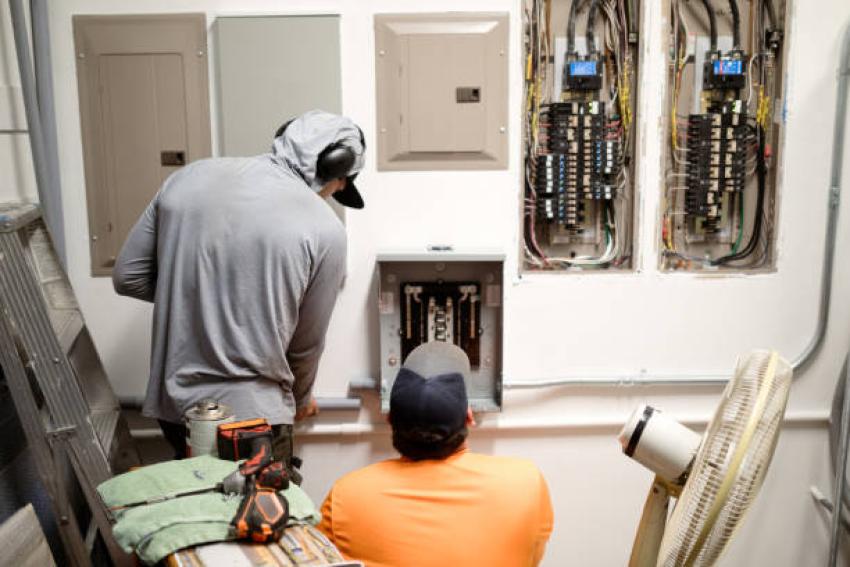
Most business owners don't think about their electrical system until something goes wrong. And by then, it's usually already been wrong for a while. A tripped breaker here, a flickering light there, and suddenly you've got a real problem on your hands. If you're managing a commercial property in South Texas, knowing when to call a licensed pro can save you from equipment damage, fines, or worse, a fire. Getting Commercial Electrical Services in Corpus Christi TX before things spiral is almost always cheaper and safer than waiting until you're forced to act. Here are five signs your building is telling you it needs professional attention now.
1. Your Breakers Keep Tripping, Over and Over
A breaker that trips once in a blue moon isn't a crisis. But if you're resetting the same breaker every few days, that's your panel waving a red flag. Breakers trip for a reason. They're designed to cut power when a circuit gets overloaded, so repeated tripping means something in your system can't keep up with the demand you're putting on it.
Older commercial panels were built for older commercial loads. They weren't designed to handle modern HVAC systems, server racks, commercial kitchen equipment, and charging stations all running at the same time. If your building is more than 20 years old and you've added equipment since then, the panel probably hasn't kept pace. A licensed electrician can run a load calculation and tell you exactly what's happening.
Don't just swap in a higher-rated breaker hoping it fixes the problem. That's a fire risk. The breaker is the safety valve, and bypassing it solves nothing while creating real danger.
2. Lights Are Flickering or Dimming in Multiple Spots
One flickering bulb? Probably just the bulb. Flickering or dimming lights across two or three different areas of your building? That's a different story entirely. It usually points to voltage fluctuations, loose wiring connections, or an electrical system that's undersized for what you're running through it.
Voltage irregularities are rough on sensitive equipment. Computers, medical devices, point-of-sale systems, and refrigeration units all suffer when the power feeding them isn't stable. Over time, that kind of stress shortens equipment life and can cause data loss or product spoilage, both of which cost money you didn't plan to spend.
Loose connections are also a fire hazard. Heat builds up at a loose joint, and that heat doesn't always stay contained. If you're seeing widespread flickering, get someone in to check the wiring before it becomes something worse.
3. You're Smelling Something Burning or Seeing Discolored Outlets
Stop. Take this one seriously. A burning smell near an outlet, a panel, or a switch plate is not a "wait and see" situation. Neither is an outlet that looks brown or black around the edges, or a switch plate that feels warm to the touch. These are signs of heat buildup inside your wiring, and heat buildup inside wiring leads to fires.
According to NFPA research on electrical fires, electrical failures are one of the leading causes of structure fires in commercial buildings. The scary part is that most of them start inside walls, where you can't see them until it's too late.
If you smell burning or find discolored outlets, turn off power to that area if you can do it safely, and call a Commercial Electrician in Corpus Christi TX right away. Don't use those outlets. Don't reset the breaker and assume everything's fine. Get a licensed set of eyes on it the same day.
4. Your Wiring or Panel Is Getting Old
Age matters with electrical systems. A lot. Panels older than 25 years weren't designed for today's electrical loads, and some older wiring types, aluminum branch circuit wiring in particular, are known to create connection problems that cause heat and arcing over time.
If your building was wired in the 1970s or 1980s, there's a real chance it has aluminum wiring in the branch circuits. That's not automatically a death sentence for the system, but it does require specific connectors, devices, and inspection practices that not every electrician is trained on. Get someone who knows what they're looking at.
Insurance companies are increasingly asking about panel age and wiring type before renewing commercial policies. Some are flat-out refusing coverage for buildings with certain older systems. A Discount Electric technician can assess what you've got, tell you whether it meets current code, and give you a clear picture of what an upgrade would involve. That kind of information is worth having before your insurer asks the question.
Also worth knowing: code compliance isn't just about inspections. If something goes wrong and your wiring was out of code, your insurance claim could be denied. That's a risk no business owner should carry if they don't have to.
5. You're Adding Equipment or Doing a Renovation
Planning to add a new HVAC unit? Installing commercial kitchen equipment? Building out a new office wing? All of that requires electrical work done before the new stuff goes in, not after. This is one of the most common mistakes I see business owners make. They order the equipment, schedule the installation, and then find out the existing circuits can't support it.
Any time you're adding significant electrical loads to a building, a licensed electrician needs to do a load calculation first. That calculation tells you whether your current service can handle the addition, or whether you need a panel upgrade, new circuits, or even a service entrance upgrade from the utility. Skipping that step can mean tripped breakers from day one, voided equipment warranties, or code violations that shut down your renovation.
Commercial Electrical Services in Corpus Christi TX cover all of this, from load calculations and panel upgrades to running new circuits and pulling the permits your project requires. Getting the electrical side sorted early keeps your whole project on schedule.
If you're working with a contractor on a renovation, make sure the electrician is in the conversation from the start. Not as an afterthought. Early coordination saves time, money, and a lot of headaches down the road.
Frequently Asked Questions
How do I know if my business needs a new electrical panel?
If your panel is more than 25 years old, trips breakers regularly, runs hot to the touch, or can't support the equipment you're running, it's time to have it evaluated. A licensed electrician can assess the panel and tell you whether a replacement or upgrade makes sense for your situation.
Is flickering lighting in a commercial building a fire hazard?
It can be. Flickering lights sometimes signal loose wiring connections, and loose connections generate heat. That heat can ignite surrounding materials inside walls or ceilings. It's worth getting checked out, especially if the flickering is happening in multiple areas of the building at once.
Can I use a residential electrician for commercial electrical work?
Not usually, no. Commercial electrical systems operate at higher voltages, use three-phase power in many cases, and have to meet different code requirements than residential systems. A Commercial Electrician in Corpus Christi TX is trained and licensed for commercial work specifically. Using someone without that background can create code violations and safety problems.
How often should a commercial building's electrical system be inspected?
Most experts suggest a full inspection every three to five years for buildings in normal use, and more often if the building is older, has had electrical issues, or has seen significant changes in how it's used. After any major renovation or equipment addition, an inspection is a smart step regardless of when the last one happened.
What permits are needed for commercial electrical work?
That depends on the scope of work and local requirements, but most commercial electrical projects, including panel replacements, new circuit installations, and service upgrades, require a permit pulled by a licensed electrician. Your electrician should handle the permit process as part of the job. If someone offers to skip the permit to save money, that's a reason to find a different contractor.