

The Importance of Pest Control for Sydney Food Businesses: What Tenants Need to Know
Running a food business in Sydney comes with many responsibilities. Restaurants, cafés, bakeries, takeaway shops, food warehouses, supermarkets, and commercial kitchens must maintain high standards of cleanliness and hygiene every day. One of the biggest challenges these businesses face is preventing pests from entering their premises.
Rats, mice, cockroaches, ants, flies, stored-product pests, and other unwanted insects can create serious problems for food businesses. They can contaminate food, damage packaging, affect staff and customer confidence, and potentially lead to costly operational disruptions.
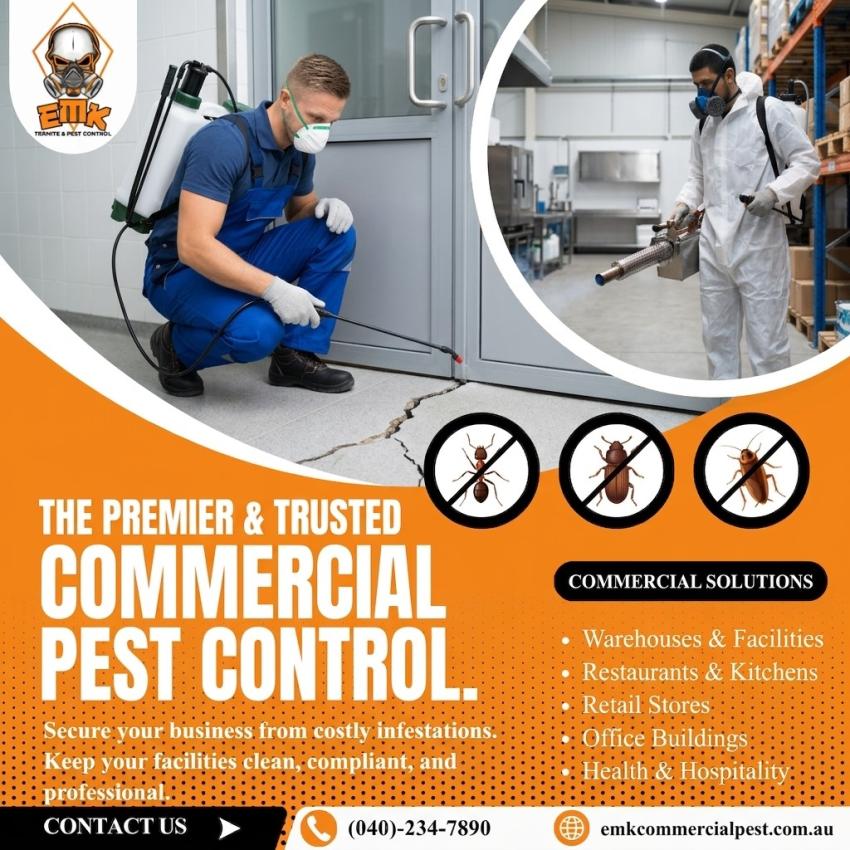
For this reason, effective pest management should be considered an essential part of commercial food business operations. Commercial Pest Control Sydney services can help identify risks, control existing pest activity, and establish preventive measures that reduce the likelihood of future infestations.
Why Are Food Businesses Attractive to Pests?
Food premises naturally provide many of the conditions pests need to survive. Food residues, moisture, warmth, waste, storage areas, and hidden spaces can create an ideal environment for pest activity.
Even when employees follow strict cleaning procedures, small amounts of food debris can attract pests. Commercial kitchens also contain equipment, cupboards, drains, storage shelves, and wall cavities where pests can hide.
Rodents may enter through gaps around doors, pipes, walls, and drainage systems. Cockroaches can move through small openings and may be introduced through deliveries or packaging. Flies can be attracted to rubbish, drains, food waste, and organic matter.
Because food businesses have continuous pest-attracting conditions, prevention needs to be ongoing rather than occasional.
How Pests Can Affect Food Safety
One of the most serious concerns associated with pests is contamination.
Rodents and insects can move between rubbish, drains, storage areas, and food preparation surfaces. During this process, they may transfer contaminants onto surfaces, utensils, ingredients, or food packaging.
Rodent droppings, insect remains, shed skins, and other pest evidence can also create hygiene concerns.
For a food business, even a small pest problem can become a significant issue if it is not identified and addressed promptly. Maintaining an effective pest management program is therefore an important part of protecting food preparation and storage areas.
Protecting Your Business Reputation
Customers expect restaurants, cafés, bakeries, and other food businesses to maintain clean and hygienic premises.
A single visible cockroach, fly infestation, or rodent sighting can negatively affect how customers perceive a business. In today's digital environment, customers can quickly share their experiences through online reviews and social media.
A poor reputation can affect customer loyalty and future sales.
Investing in Commercial Pest Control Sydney can help food businesses take a proactive approach rather than waiting until customers or employees discover pest activity.
Common Pests Found in Sydney Food Businesses
Different food premises can experience different pest problems depending on their location, building design, waste practices, and type of food handled.
Cockroaches
Cockroaches are among the most common pests found around commercial kitchens. They can hide behind appliances, inside cupboards, beneath sinks, around drains, and in other warm and sheltered areas.
German cockroaches can be particularly difficult to manage because they reproduce quickly and can remain hidden during the day.
Rodents
Rats and mice can enter food premises through surprisingly small openings. They may damage food packaging, contaminate stored products, and create unpleasant odours.
Rodents can also cause property damage by gnawing electrical cables, insulation, and other materials.
Flies
Flies are attracted to food waste, drains, rubbish, and organic materials. Poor waste management can quickly increase fly activity around commercial kitchens and dining areas.
Ants
Ants can enter through cracks, doors, windows, and other openings while searching for food and moisture. Once they discover a reliable food source, they may establish regular trails throughout a premises.
Why Regular Pest Inspections Matter
One of the biggest mistakes a food business can make is waiting until pests become visible before arranging professional treatment.
Regular inspections can identify warning signs before an infestation becomes severe. A technician may look for droppings, nesting activity, damaged packaging, pest entry points, insect harbourage areas, moisture problems, and other conditions that could encourage pest activity.
Routine Commercial Pest Control Sydney services can be adapted according to the size and nature of the food business.
A small café may have different pest risks from a large restaurant, commercial kitchen, food processing facility, or warehouse. A professional assessment can help determine an appropriate management schedule.
Maintaining a Clean Commercial Kitchen
Good hygiene is one of the foundations of effective pest prevention.
Food preparation surfaces should be cleaned regularly, spills should be dealt with quickly, and floors should not be left with food residues. Equipment should also be cleaned according to the manufacturer's recommendations.
Particular attention should be given to areas underneath and behind appliances, where food particles can accumulate unnoticed.
Staff should also ensure that food ingredients are stored in suitable sealed containers whenever appropriate. Open food should not be left exposed unnecessarily.
Cleaning alone does not guarantee a pest-free premises, but it removes many of the conditions that encourage pest activity.
Proper Waste Management Is Essential
Waste areas can become major pest attractants if they are not properly maintained.
Food businesses should use suitable rubbish containers and ensure lids remain closed when bins are not being used. Waste should be removed frequently enough to prevent excessive accumulation.
External bin areas should also be cleaned regularly. Food residue around containers can attract flies, rodents, cockroaches, and other pests.
Businesses should also check whether rubbish storage areas have structural gaps or openings that could allow rodents to gain access.
Seal Potential Pest Entry Points
Preventing pests from entering the building is just as important as treating them after they arrive.
Food business tenants should inspect doors, windows, walls, ceilings, pipes, vents, drains, and service penetrations for possible openings.
Door sweeps and seals should be maintained, particularly around kitchen entrances and delivery areas.
Any cracks or gaps should be reported to the landlord or property manager when structural repairs are required. Tenants should not assume that pest treatment alone will solve a problem caused by building defects.
Inspect Deliveries and Storage Areas
Pests can sometimes enter a food business through incoming products and packaging.
Deliveries should be inspected for damaged cartons, droppings, gnaw marks, insects, unusual smells, or other signs of contamination.
Food ingredients should be stored in an organised manner that allows employees to inspect shelves and clean underneath and around products.
Stock rotation is also important. Avoiding unnecessary accumulation of old products reduces the number of areas where pests can remain undetected.
Train Employees to Recognise Pest Signs
Every employee can contribute to pest prevention.
Staff should know what common pest signs look like and understand who to notify when they find evidence of activity.
Training should cover basic practices such as:
Reporting pest sightings immediately
Keeping food preparation areas clean
Storing ingredients correctly
Closing rubbish containers
Cleaning spills promptly
Keeping staff food in designated areas
Reporting damaged doors, walls, or seals
Checking deliveries for pest evidence
Prompt reporting allows management to investigate problems before they become more difficult to control.
Why DIY Pest Control Can Be Risky for Food Businesses
Some businesses may attempt to manage pest problems using supermarket products or improvised treatments. While basic prevention is valuable, commercial food premises often require a more structured approach.
Incorrect use of pest control products may create unnecessary risks, particularly around food preparation and storage areas. Furthermore, treating visible pests without identifying their source may only provide temporary results.
Professional Pest Control Sydney technicians can assess the premises and determine where pest activity is occurring. They can also recommend appropriate control and prevention measures based on the business environment.
What Food Business Tenants Should Know
Tenants should understand the pest management responsibilities outlined in their commercial lease.
Some responsibilities may belong to the tenant, while structural repairs or building-related pest entry issues may need to be addressed by the landlord or property manager.
Food businesses should keep records of pest inspections, treatments, corrective actions, and maintenance issues. Good documentation can help demonstrate that the business is actively managing pest risks.
Tenants should also communicate quickly with property managers when building defects could contribute to pest activity.
Creating a Long-Term Pest Prevention Plan
Effective pest management should not be treated as a one-time service.
A long-term approach may combine routine inspections, monitoring, sanitation, waste management, structural maintenance, employee training, and professional treatments when necessary.
Commercial Pest Control Sydney programs can help food businesses establish a more systematic approach to pest prevention. The frequency and type of service should be based on the premises, pest risks, operating conditions, and previous activity.
Regular monitoring also makes it easier to identify changes in pest activity before they become major problems.
Final Thoughts
Pest control is an important consideration for every food business operating in Sydney. Restaurants, cafés, bakeries, takeaway stores, commercial kitchens, food warehouses, and other food-related premises face ongoing risks because pests are naturally attracted to food, moisture, waste, and warm environments.
Maintaining good hygiene, managing waste correctly, inspecting deliveries, sealing entry points, training employees, and monitoring for early warning signs can significantly reduce pest risks.
Professional Pest Control Sydney services can provide additional support by identifying vulnerabilities and implementing suitable pest management measures. For businesses that require ongoing protection, a structured Commercial Pest Control Sydney program can help prevent infestations and support a cleaner, safer commercial environment.
For food business tenants, the key is to act before a minor pest concern becomes a serious business problem. Consistent prevention and professional monitoring can protect food, employees, customers, property, and the reputation of the business.