

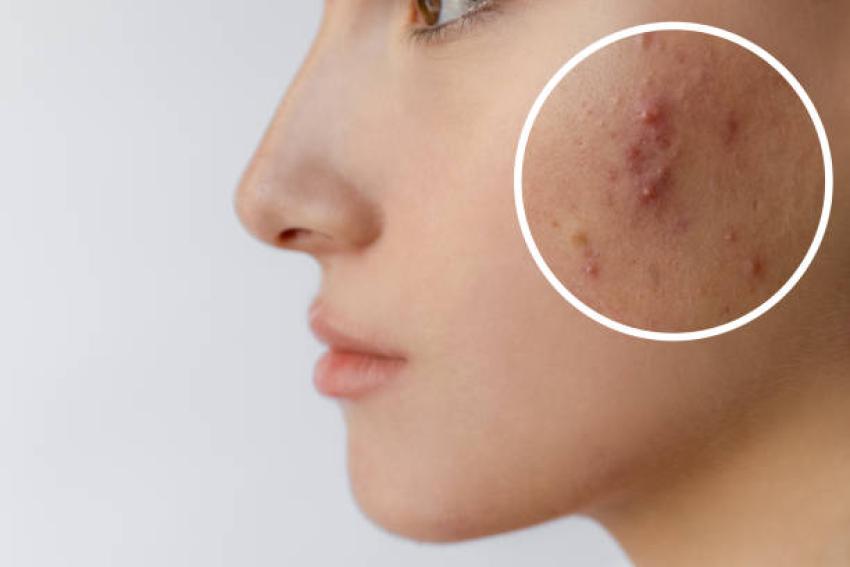
You've tried the serums, the spot treatments, the ten-step routines. And your skin still won't clear up. Honestly, that's one of the most frustrating things a person can go through, especially when you feel like you're doing everything right. But here's the thing: a lot of the habits people swear by are actually making breakouts worse, not better. If you're in the Jacksonville area and struggling with stubborn skin, getting proper Acne Treatment in Jacksonville FL from a professional can change everything. Before that, though, it's worth understanding where your current routine might be going sideways.
You're Doing Too Much at Once
Over-treating is probably the most common mistake I see. People layer salicylic acid, benzoyl peroxide, retinol, and AHAs all in the same routine and then wonder why their face is red, peeling, and breaking out even more. That's not a coincidence. Your skin barrier is taking a beating, and a damaged barrier can't heal acne. It just gets more irritated and more prone to flares.
Pick one or two active ingredients and let them do their job. Seriously. You don't need every product on the shelf. Mixing too many actives strips your skin of the oils it actually needs to stay balanced, and that dryness often triggers more oil production. Which means more breakouts. A vicious loop.
According to the American Academy of Dermatology's acne skin care guidance, keeping your routine simple and consistent is one of the most effective things you can do for acne-prone skin. Simple beats complicated, almost every time.
Picking and Popping: It Costs More Than You Think
Look, everybody does it. You see a whitehead and you want it gone now. But popping or squeezing breakouts pushes bacteria deeper into the skin, which turns a small pimple into something much angrier. Worse, it causes post-inflammatory hyperpigmentation and, sometimes, actual scarring that sticks around for months or years.
The dark spots left behind after picking are often harder to treat than the original acne. Not worth it. If you have a painful cystic bump under the skin, a warm compress is your best friend. Hands off otherwise.
Switching Products Before They Have a Chance to Work
Most acne treatments take six to twelve weeks to show real results. Six to twelve weeks. That's not a typo. But most people ditch a product after two or three weeks because they're not seeing dramatic improvement, and then they start the whole cycle over with something new. That constant switching prevents any treatment from actually working and keeps your skin in a constant state of adjustment.
Pick a routine. Stick with it for at least two months before you decide it's not working. Take photos every week so you can track actual progress, because day-to-day changes are hard to notice. Small improvements add up, and you'll miss them if you're not paying attention.
Treating All Acne Like It's the Same
Hormonal acne, cystic acne, and surface-level congestion are not the same thing. Not even close. Hormonal acne tends to show up around the jaw and chin, gets worse around your cycle, and doesn't respond well to standard over-the-counter products. Cystic acne lives deep under the skin and is basically untouchable with a face wash. Surface breakouts, like blackheads and small whiteheads, are a totally different story.
Treating a painful hormonal cyst with a salicylic acid spot treatment is like putting a bandage on a broken bone. It's not doing anything. If your acne is deep, recurring in the same spots, or tied to your hormones, that's a sign you need a different approach entirely. Acne Care in Jacksonville FL that's tailored to your specific acne type will get you a lot further than a generic drugstore routine.
Skin is complicated. What clears up one person's face completely wrecks another person's. Knowing which type of acne you're actually dealing with is the starting point for everything else.
Skipping Moisturizer and Sunscreen
This one surprises people. If your skin is oily and breaking out, the last thing you want to do is add moisture, right? Wrong. Skipping moisturizer actually makes things worse because dry, stripped skin overcompensates by producing more oil. You need a lightweight, non-comedogenic moisturizer every single day, even if it feels counterintuitive.
Sunscreen is non-negotiable too. Sun exposure darkens acne scars and makes hyperpigmentation way more stubborn to fade. If you're using retinol or AHAs (which make your skin more sensitive to the sun), and you skip SPF, you're undoing a lot of your own progress. A mineral sunscreen with SPF 30 or higher is usually a good fit for acne-prone skin.
The team at Angel Brows And Aesthetics consistently points out that skipping these two basics is one of the biggest reasons clients aren't seeing improvement, even with good active ingredients in their routine. Hydration and sun protection are not optional steps.
Relying on Spot Treatments While Ignoring the Root Cause
Spot treatments are fine for occasional breakouts. But if you're relying on them as your whole strategy, you're only ever reacting to acne instead of preventing it. Stress, diet, hormonal imbalances, and sleep all play a real role in how your skin behaves. A topical product can't fix a cortisol spike or a hormonal imbalance.
Some people see massive improvements after cutting back on dairy or high-glycemic foods. Others find that stress management alone changes their skin. It's worth looking at the bigger picture, not just what's sitting on your bathroom shelf. Acne Care in Jacksonville FL that takes your lifestyle into account tends to produce much better and longer-lasting results than anything you'll find in the spot treatment aisle.
Not Knowing When to Get Professional Help
Home care has its limits. If you've been consistent with a solid routine for three months and you're still breaking out regularly, especially with cysts or nodules, it's time to stop guessing. A professional can assess your skin type, figure out what's actually driving your breakouts, and give you access to treatments that simply aren't available in a drugstore. Chemical peels, prescription-strength topicals, and LED therapy are all tools that can make a meaningful difference when home care hasn't been enough.
Acne Treatment in Jacksonville FL from an experienced provider means you're not wasting more months on products that aren't right for your skin. Time matters here. The longer moderate to severe acne goes untreated, the higher the chance of permanent scarring. Don't wait too long to ask for help.
Frequently Asked Questions
How long does it actually take for acne treatments to work?
Most treatments need six to twelve weeks of consistent use before you'll see real results. Some people notice small improvements around week four, but full results usually take longer. Don't quit early just because your skin hasn't cleared up in the first few weeks.
Can moisturizer really make acne worse?
Not if you pick the right one. Look for non-comedogenic formulas, which are designed not to clog pores. Skipping moisturizer entirely can actually trigger more oil production and more breakouts, so it's not a step you want to cut.
Is it ever okay to pop a pimple?
Honestly, it's pretty much never a good idea at home. Popping pimples pushes bacteria deeper, increases inflammation, and raises the risk of scarring and dark spots. If something is really bothering you, a warm compress can reduce swelling without causing damage.
How do I know if my acne is hormonal?
Hormonal acne usually shows up around the jaw, chin, and lower cheeks. It tends to flare around your menstrual cycle if you have one, and it often feels deep and tender rather than sitting on the surface. If that sounds familiar, over-the-counter products probably won't cut it on their own.
When should I stop treating acne at home and see a professional?
If you've been consistent for at least two to three months and you're still getting regular breakouts, especially deep or painful ones, it's a good time to talk to a professional. Scarring is a real risk with untreated moderate to severe acne, and a professional has tools that go well beyond what's available at the drugstore.
Getting clear skin is a process, and most people hit a wall at some point. The good news is that most of these mistakes are fixable once you know what they are.