
Pets cannot tell us when they feel sick. Some health problems also do not show clear signs at first. This can make it hard for pet owners to know when something is wrong.
Veterinary Lab Testing in Doha gives vets a closer look at your pet’s health. Blood tests, urine tests, stool tests, and other diagnostic tests can find problems that may not be easy to see during a normal physical exam.
Regular testing can help find illness early, guide treatment, and keep dogs and cats healthier for longer.
What Is Veterinary Lab Testing?
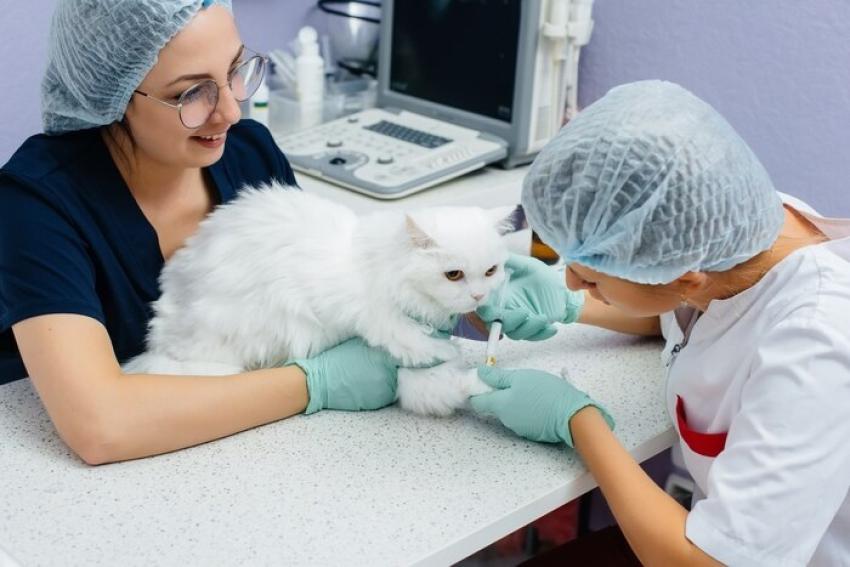
Veterinary lab testing is the use of medical tests to check the health of an animal. A veterinarian may collect a small sample of blood, urine, stool, skin, or other material.
The sample is then tested for signs of disease, infection, or other health issues.
Common veterinary diagnostic tests include:
Blood tests
Urine tests
Stool or fecal tests
Parasite testing
Skin tests
Allergy testing
Bacterial tests
Hormone tests
Biochemistry tests
The type of test your pet needs will depend on its age, symptoms, health history, and physical exam.
Why Veterinary Lab Testing Matters
A pet may look healthy while a health issue is starting inside the body. Lab tests give vets useful facts that cannot always be found by looking at the pet.
Testing can help a veterinarian check how the kidneys, liver, blood cells, and other parts of the body are working.
It can also help confirm a diagnosis when a pet is sick.
1. Finds Health Problems Early
Early detection is one of the main benefits of veterinary lab testing.
Some diseases can develop for weeks or months before clear symptoms appear. A blood or urine test may find changes before the pet starts acting sick.
Finding a problem early may give the vet more treatment choices. It can also help prevent some conditions from becoming more serious.
This is why routine pet health screening can be useful, even when your dog or cat seems healthy.
2. Helps Explain Your Pet's Symptoms
Pets can show similar signs for many different health problems.
For example, vomiting may be caused by a stomach problem, infection, toxin, parasite, or another illness. Drinking more water than normal may also have many causes.
Veterinary diagnostic testing helps the vet learn what may be causing these signs.
Lab testing may be advised when a pet has symptoms such as:
Vomiting or diarrhea
Loss of appetite
Weight loss
Low energy
Excessive thirst
Frequent urination
Fever
Skin problems
Unusual behavior
Test results can help the vet make a more informed diagnosis.
3. Checks Blood Cell Health
A complete blood count, often called a CBC, is a common veterinary blood test.
It measures different cells in your pet's blood, including red blood cells, white blood cells, and platelets.
Changes in these cells may point to problems such as anemia, inflammation, infection, or other health concerns.
A CBC gives the veterinarian useful information about your pet's overall condition.
4. Checks the Liver and Kidneys
The liver and kidneys perform important jobs in your pet's body.
Blood chemistry tests can measure substances linked to these organs. Urine testing can also provide useful information about kidney function and urinary health.
A veterinarian may use these results to look for possible liver disease, kidney problems, dehydration, or other conditions.
Older pets may need these tests more often because the risk of some health problems can increase with age.
5. Helps Find Parasites and Infections
Dogs and cats can get parasites and infections that affect their health.
A fecal test may help find intestinal parasites or their eggs. Other laboratory tests may be used to look for bacteria, viruses, or certain infections.
Finding the cause matters because different health problems need different treatments.
The right test can help your vet choose a suitable care plan for your pet.
6. Supports Safe Treatment
Lab testing is not only used to find disease. It can also help vets plan and monitor treatment.
Some medicines may affect the liver, kidneys, blood cells, or other parts of the body. Your veterinarian may recommend follow-up blood work during long-term treatment.
The results can show how your pet is responding.
If needed, the vet may change the treatment plan or recommend more tests.
7. Can Be Important Before Surgery
Your veterinarian may suggest pre-surgical blood testing before an operation.
These tests can help check your pet's general health before anesthesia. They may look at blood cells, kidney function, liver function, and other key health markers.
If the results show a concern, the veterinarian can decide what steps should be taken before the procedure.
This adds useful health information when planning surgery and anesthesia.
8. Supports Senior Pet Care
Senior dogs and cats may develop health problems as they age. Some of these conditions can start with very small changes.
Routine veterinary lab tests can help track those changes over time.
A senior pet health check may include blood work, urine analysis, and other tests based on the animal's needs.
Regular screening can help vets watch for changes linked to the kidneys, liver, blood sugar, thyroid, and other areas of health.
How Often Does Your Pet Need Lab Testing?
There is no single testing schedule for every pet.
Young and healthy pets may only need certain tests during routine vet visits. Senior pets or animals with long-term health problems may need testing more often.
Your veterinarian may consider:
Your pet's age
Breed
Medical history
Current symptoms
Medicines
Diet and lifestyle
Previous test results
Your vet can then recommend a testing schedule based on your pet's individual health needs.
Veterinary Lab Tests Are Part of Preventive Pet Care
Good pet care is not only about treating illness after it appears. Preventive care aims to find risks and health changes as early as possible.
Routine vet exams, vaccinations, parasite control, dental care, proper nutrition, and laboratory testing can all play a role in keeping pets well.
Lab results also create a health record over time. This can make it easier for your veterinarian to notice changes between one visit and the next.
Conclusion
Veterinary lab testing gives pet owners and veterinarians valuable information about an animal's health. Blood work, urine tests, fecal tests, and other diagnostic tests can help detect disease, identify infections, check organ function, and guide treatment.
Testing is especially useful when a pet is sick, getting older, taking long-term medicine, or preparing for a medical procedure.
First Vet can help pet owners understand the role of Veterinary Lab Testing in Doha as part of regular pet health care. With routine checkups and the right diagnostic tests, health changes may be found earlier, helping your pet receive the care it needs at the right time.